is an Afghan-American conflict researcher, investigative journalist, and writer with nearly two decades of documenting and analyzing how war transforms states, institutions, and civilian life. Her research and writing focus on Afghanistan and other conflict-affected regions across South and Central Asia and the Middle East, examining war, political violence, democratic transitions, human rights, and the consequences of international intervention. She holds a Master of Arts in Journalism from Columbia University’s Graduate School of Journalism.
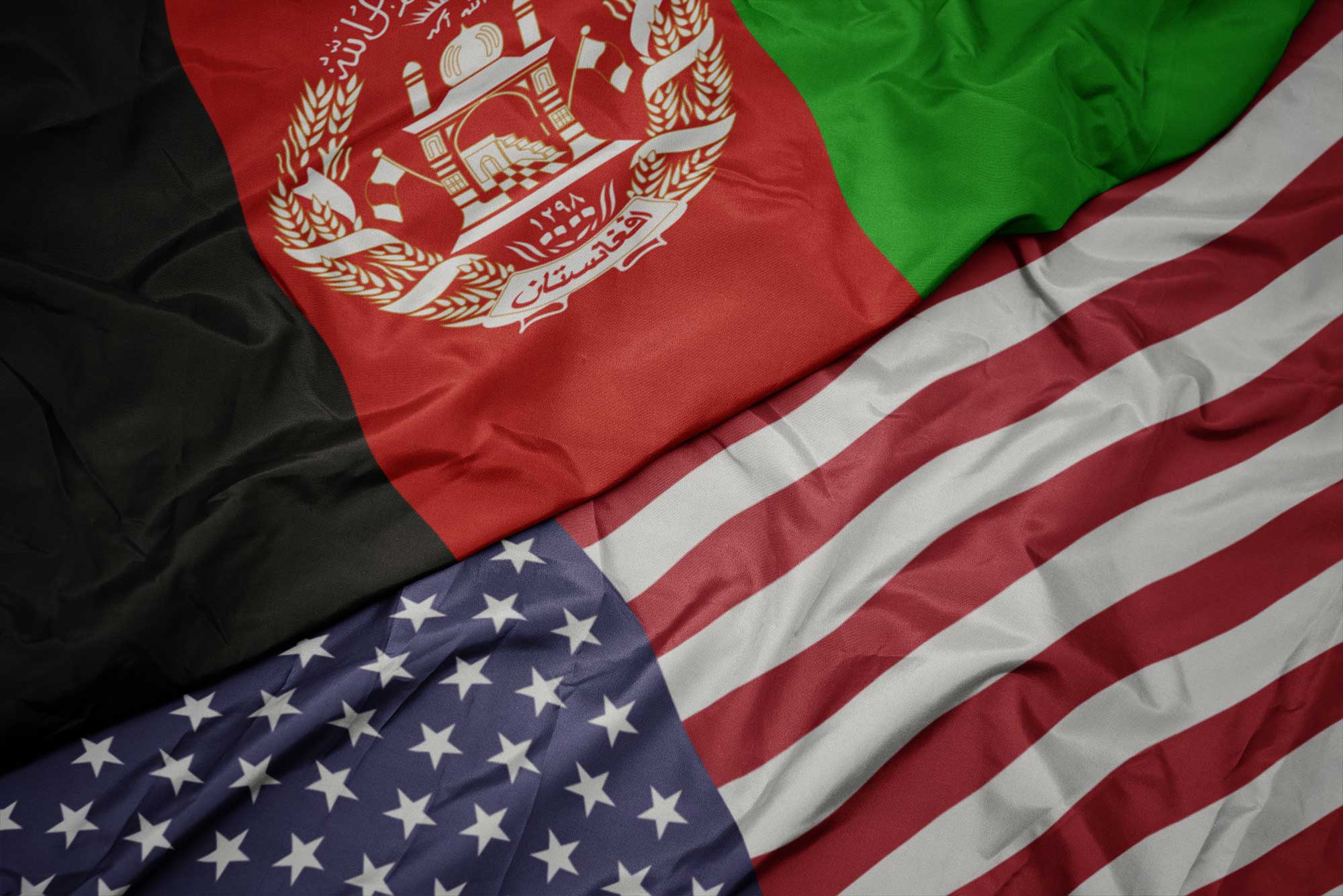
A former U.S. ambassador to Afghanistan says that talking with the Taliban is necessary, but cautions that a diplomatic return to Kabul would be a “gift” that shouldn’t be given freely.
Her work has been published in The Diplomat, New Lines Magazine, and Radio Free Europe/Radio Liberty and translated into Russian, Uzbek, and Bosnian. It has also been widely republished across South Asian media. Her reporting on war and displacement has been cited in studies by universities and international organizations, including the Asia Foundation and Cambridge University Press, and she has participated in key debates on U.S. policy, including discussions on the U.S. war in Afghanistan at the Wilson Center and European platforms such as Forum 2000, Open Society, and One World.


