About Freshta
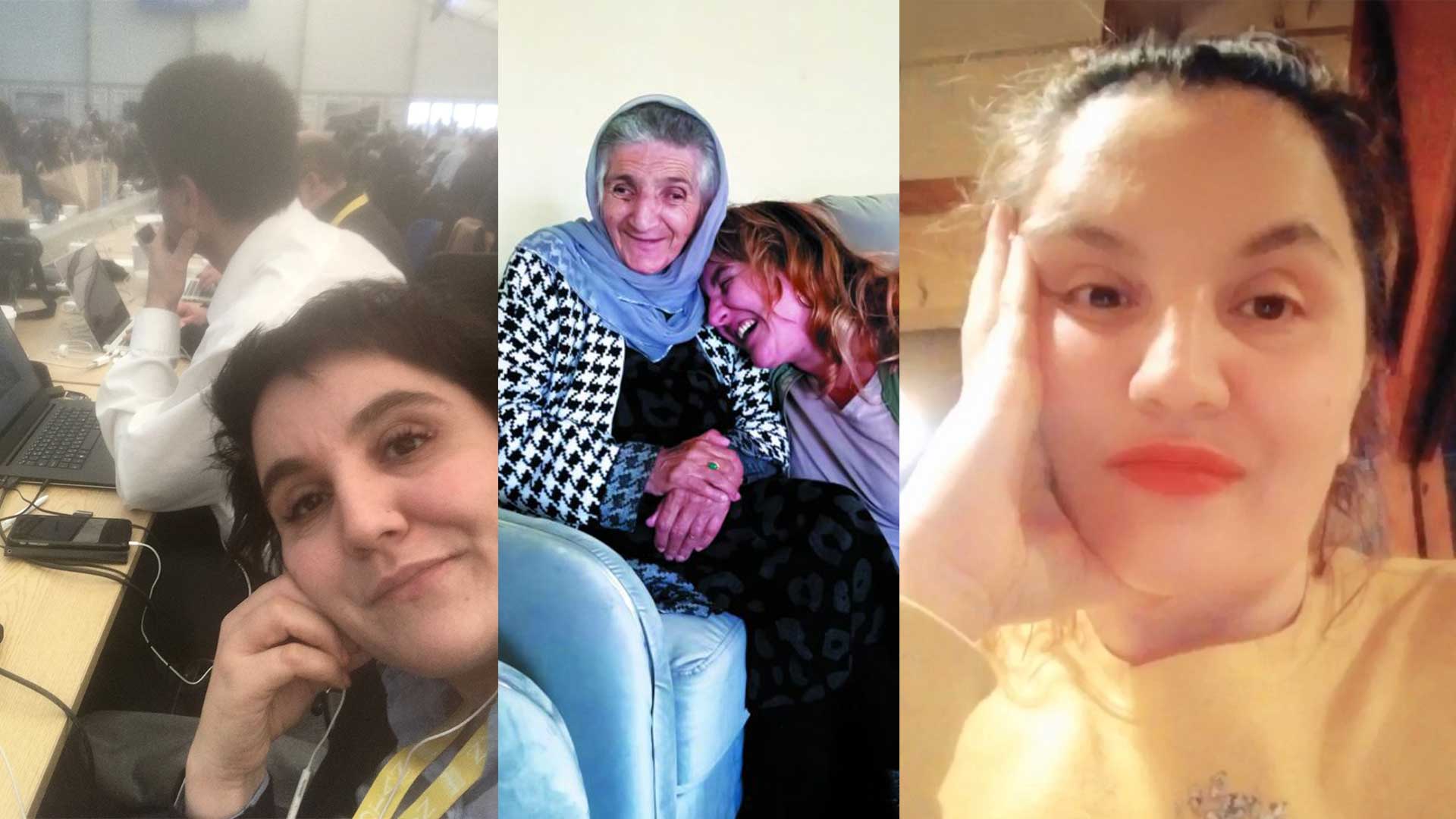
Freshta Jalalzai is an Afghan American conflict researcher, journalist, and writer with nearly 20 years of reporting from Afghanistan and the wider region, producing thousands of interviews, investigations, and analyses on war, political violence, human rights, and democratic transitions.
As one of the first generation of Afghan women journalists to enter the profession after 2001, she documented the construction and collapse of Afghanistan’s modern political institutions from within the country’s most consequential historical transformation.
Her work examines the enduring consequences of political violence, asking how wars continue to shape institutions, societies, and individual lives long after the fighting ends. Through investigative reporting, historical research, and long-form nonfiction, she explores the relationship between conflict, democratic transition, displacement, political memory, and the civilian experience of history.
Born and raised in Kabul, Afghanistan, Jalalzai began reporting after the fall of the Taliban in 2001 and spent the next two decades documenting one of the defining political transformations of the twenty-first century. She reported on the rise of democratic institutions, elections, insurgency, regional politics, migration, human rights, and the collapse of the U.S.-backed Afghan government. Her work followed these developments not only as political events but also as lived experience, tracing how decisions made by governments reverberate through families, communities, and generations.
For fourteen years, she worked at Radio Free Europe/Radio Liberty, where she produced daily reporting, investigations, and live broadcasts on Afghanistan and the wider region. Her investigations examined violence against women, human trafficking, migration from conflict zones, media freedom, and the role of women journalists during Afghanistan's democratic transition. Her investigation on women journalists received Radio Free Europe/Radio Liberty's President's Award, and her reporting on the trafficking and sale of women in eastern Afghanistan contributed to government investigations.
Her work is grounded in sustained field reporting and primary-source research. Throughout her career, she has interviewed thousands of civilians, journalists, diplomats, military officers, humanitarian workers, scholars, and public officials whose decisions and experiences shaped the course of conflict. She has also participated in international discussions on democracy, human rights, media freedom, and Afghanistan's political transition at institutions including the Wilson Center, Forum 2000, One World Media, and Open Society Foundations.
Beyond reporting, Jalalzai has worked to strengthen independent journalism in Afghanistan. In 2004, she founded the Kabul Press Club, and in 2012 she established the Afghanistan Independent Journalists Association to provide professional training, safety guidance, and support for freelance journalists working under conditions of conflict.
In 2023, she earned a Master of Arts in Journalism from Columbia University Graduate School of Journalism, where she concentrated on investigative reporting, political affairs, and long-form nonfiction. She also completed Columbia’s Book Writing Seminar. Alongside journalism, she studied Sharia and Islamic legal thought at Columbia University, deepening her understanding of the relationship between law, religion, political authority, and society in the Muslim world.
Her essays and reporting have appeared in New Lines Magazine, The Markaz Review Magazine, The Diplomat, The Manara Magazine, and other international publications. Her work has been cited by Cambridge University Press and by researchers in the fields of conflict, security, migration, and political history.
Jalalzai is based in Washington, D.C., where she continues her research and writing independently on conflict, memory, and the enduring human consequences of war, examining the distance between political decisions and the lives they transform.
As one of the first generation of Afghan women journalists to enter the profession after 2001, she documented the construction and collapse of Afghanistan’s modern political institutions from within the country’s most consequential historical transformation.
Her work examines the enduring consequences of political violence, asking how wars continue to shape institutions, societies, and individual lives long after the fighting ends. Through investigative reporting, historical research, and long-form nonfiction, she explores the relationship between conflict, democratic transition, displacement, political memory, and the civilian experience of history.
Born and raised in Kabul, Afghanistan, Jalalzai began reporting after the fall of the Taliban in 2001 and spent the next two decades documenting one of the defining political transformations of the twenty-first century. She reported on the rise of democratic institutions, elections, insurgency, regional politics, migration, human rights, and the collapse of the U.S.-backed Afghan government. Her work followed these developments not only as political events but also as lived experience, tracing how decisions made by governments reverberate through families, communities, and generations.
For fourteen years, she worked at Radio Free Europe/Radio Liberty, where she produced daily reporting, investigations, and live broadcasts on Afghanistan and the wider region. Her investigations examined violence against women, human trafficking, migration from conflict zones, media freedom, and the role of women journalists during Afghanistan's democratic transition. Her investigation on women journalists received Radio Free Europe/Radio Liberty's President's Award, and her reporting on the trafficking and sale of women in eastern Afghanistan contributed to government investigations.
Her work is grounded in sustained field reporting and primary-source research. Throughout her career, she has interviewed thousands of civilians, journalists, diplomats, military officers, humanitarian workers, scholars, and public officials whose decisions and experiences shaped the course of conflict. She has also participated in international discussions on democracy, human rights, media freedom, and Afghanistan's political transition at institutions including the Wilson Center, Forum 2000, One World Media, and Open Society Foundations.
Beyond reporting, Jalalzai has worked to strengthen independent journalism in Afghanistan. In 2004, she founded the Kabul Press Club, and in 2012 she established the Afghanistan Independent Journalists Association to provide professional training, safety guidance, and support for freelance journalists working under conditions of conflict.
In 2023, she earned a Master of Arts in Journalism from Columbia University Graduate School of Journalism, where she concentrated on investigative reporting, political affairs, and long-form nonfiction. She also completed Columbia’s Book Writing Seminar. Alongside journalism, she studied Sharia and Islamic legal thought at Columbia University, deepening her understanding of the relationship between law, religion, political authority, and society in the Muslim world.
Her essays and reporting have appeared in New Lines Magazine, The Markaz Review Magazine, The Diplomat, The Manara Magazine, and other international publications. Her work has been cited by Cambridge University Press and by researchers in the fields of conflict, security, migration, and political history.
Jalalzai is based in Washington, D.C., where she continues her research and writing independently on conflict, memory, and the enduring human consequences of war, examining the distance between political decisions and the lives they transform.

